Clarity before creativity
Some businesses don’t have a capability problem.
They have a clarity problem.
From the outside, everything appears in place. A strong offer. Proven delivery. Credible clients. But something doesn’t translate. The message lacks precision. The positioning feels blurred. The brand doesn’t carry the weight of the business behind it.
Foggy. Not lost, but not clearly directed.
The instinct is often to move quickly. Refresh the identity. Update the messaging. Change the name. But without first defining what the business truly is — and where it needs to go — those decisions tend to add noise rather than remove it.
Clarity doesn’t come from execution. It comes from understanding.
In our work with Crosstide, a company delivering data and AI transformation, this was clear from the outset. The business had depth: strong technical expertise, a solid track record, and a meaningful role in helping organisations navigate complex change. But the brand didn’t reflect that. It undersold the business.
Working closely with the leadership team, we focused on what was already true. Engineering excellence. Practical transformation. A deeply collaborative way of working. Once those fundamentals were surfaced and aligned, direction followed.
Just as important was the context the brand needed to perform in. As Crosstide moved further into financial services, expectations shifted. Credibility became critical. Buyers were more cautious. The brand needed to signal control, confidence and clarity — without losing the sense of energy that defines a modern technology business.
That balance became the foundation.
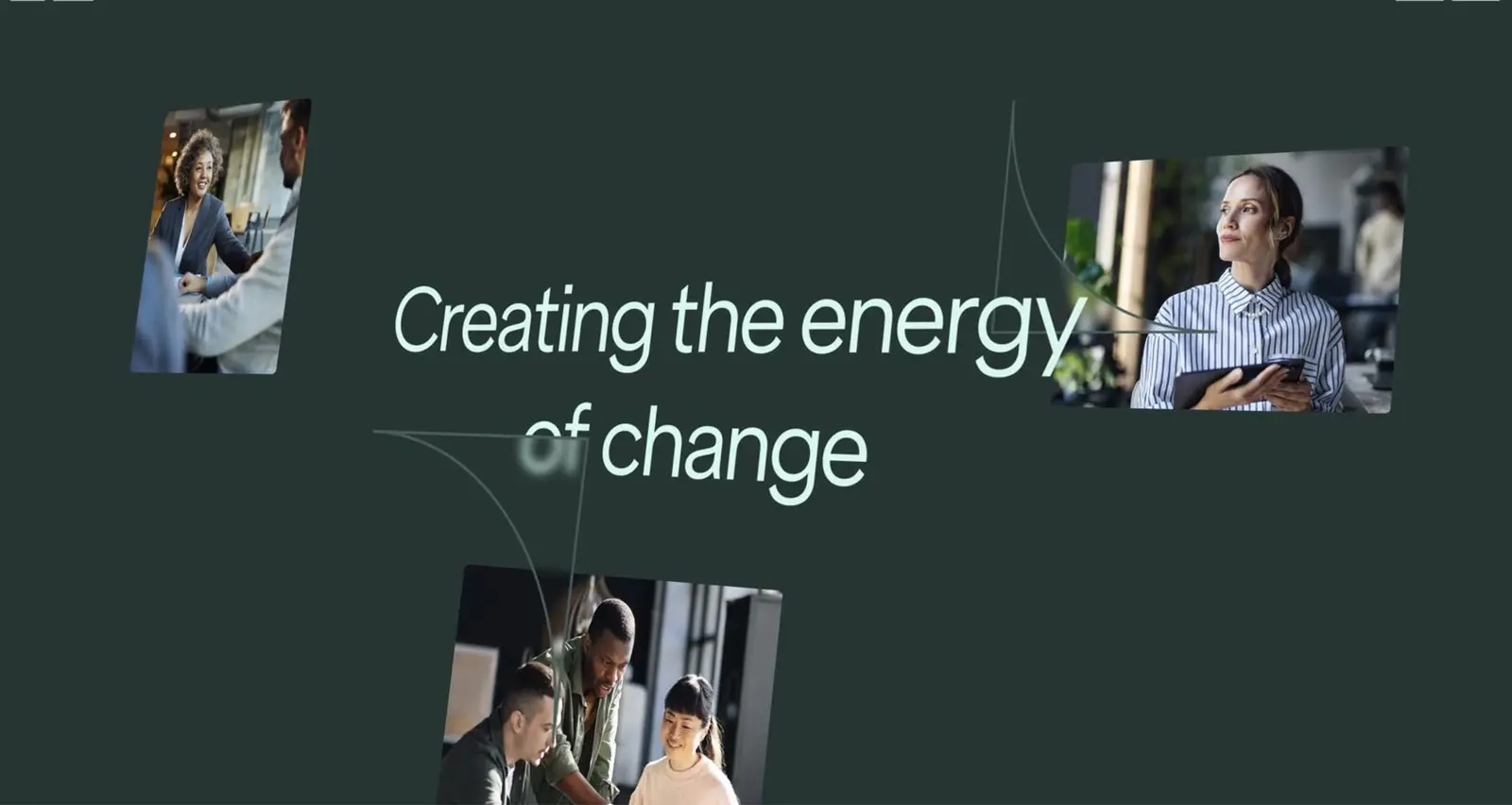
From it came a simple idea: The Energy of Change. Not a strapline, but a way of articulating the role Crosstide plays. Moving businesses forward. Connecting technology, people and outcomes. Acting as a catalyst, not just a provider.
With that clarity in place, everything else aligned. Naming. Narrative. Design. Decisions became faster and more consistent because the direction was understood.
This is where strategy proves its value. Not as a phase, but as a filter. A way of making decisions easier and more objective.
It’s also where the role of AI needs to be understood properly.
AI can accelerate the process. It can generate options, explore directions and remove friction. But it doesn’t replace judgement.
It doesn’t read between the lines of a brief. It doesn’t understand internal dynamics. It isn’t part of the quiet conversations – the quick whispered exchange after a meeting – where real opinions tend to surface.
And it doesn’t know when something is right.
That still requires people.
Judgement brings context. It connects ideas. It recognises alignment. And when grounded in a clear strategy, it ensures tools like AI are used with intent, not just output.
From there, design has a clear role to play. Not just to express the brand, but to enable it. A system that works across teams, channels and real-world scenarios. Something that can be adopted quickly and applied consistently.
Because a brand isn’t defined at launch. It’s defined in use.
The businesses that move forward with confidence aren’t the ones just doing more. They’re the ones with greater clarity and a defined course.